How to tell if a paid research study is legitimate
Real studies and scams use the same adverts. Here are the checks that separate them in under two minutes.
8 September 2026 · last reviewed 8 September 2026 · 3 min read
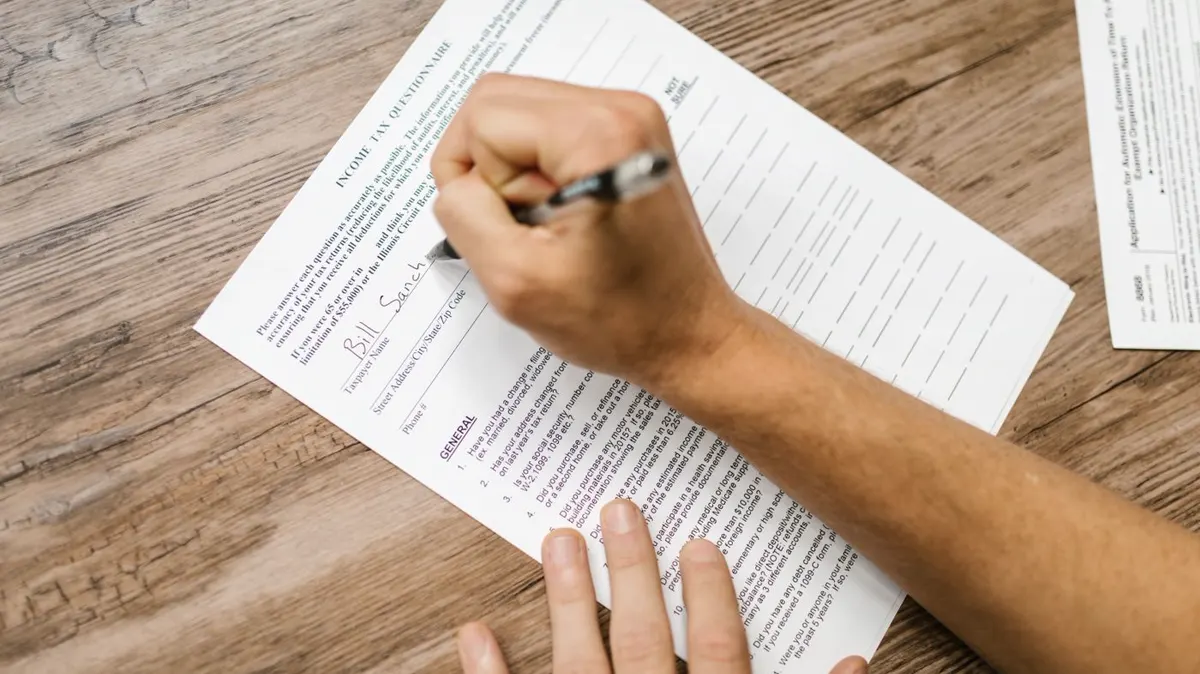
Legitimate research and outright scams advertise in exactly the same places, in exactly the same tone. The good news is that the checks that separate them are quick, and you can do all of them before giving anyone anything.
Key points
- Check the organisation, privacy notice and payment terms.
- Never pay a fee to join a study or receive a reward.
- Pause if anyone pressures you to act immediately.
The five things a real study tells you up front
Before you consent, you should be able to find out:
- Who is running it. A named organisation, university, agency or company. Not just a first name and a logo.
- What it is about. In one or two sentences you can understand.
- How long it takes and what it pays. Both, stated before you start.
- What happens to your answers. Who sees them, how they are stored, how long they are kept.
- How to stop. For health and social care research, valid consent must be voluntary and participants should be told about their right to withdraw. [1]
If a study cannot produce all five, you do not need to work out why. Just leave.
Warning signs
You are asked to pay anything. A registration fee, a deposit, a "verification" payment, a fee to unlock higher paying studies. Research never works this way.
Card details or a bank login are requested. To pay you, a legitimate platform needs an account number and sort code, or a payment account address. It does not need your card, and it never needs your online banking password.
The pay is wildly out of proportion. Two hundred pounds for a ten minute survey is bait. Real payment tracks time.
You are rushed. Countdown timers, "only three places left", pressure to consent before you have read anything.
Contact is only through a messaging app. A study that will not use an organisational email address, and will only talk on WhatsApp or Telegram, is not a study.
The screening never ends. Some fake studies exist purely to harvest personal information through an endless qualification form that never leads to a task.
You are asked to buy something and claim it back. This is a well-known scam pattern dressed as product testing. The reimbursement never arrives.
Checks worth two minutes
Search the organisation's name alongside the word review. Look for a real website with a real address and a working contact route. If the study claims university backing, the university's own site will normally have a page for the project or the department. If it is a UK company, you can check the public company register at Companies House. [2]
Look at how they talk about your data. A serious study has a privacy notice and it names a legal basis for holding health information. Vagueness there is a strong signal.
What good looks like
A real study is usually a bit boring. It tells you the researcher's institution and the study title. It gives you a participant information sheet before the consent tick box. It states the reward and the expected time. It says how to withdraw and who to complain to. It pays when it said it would.
On FeFe, every study is reviewed before it goes live, the reward is fixed before launch and held in advance, and you are paid the full amount with no fee taken from you. You can read how the panel handles your information in what happens to your health data when you take part in research, or start at the beginning with the participant guide.
References
Common questions
Should a research study ever ask for my bank details?
Only to pay you, and only after you have completed something. No legitimate study needs a card number, a bank login, a verification payment or a registration fee. Money should only ever move towards you.
Is it normal for a study to ask for a photo of my ID?
For most surveys and interviews, no. Some clinical research and some high-value studies do verify identity, but a short online survey does not need it. If you are asked, ask who is holding the image and for how long before you send it.
Want to take part in paid health studies?
Join the FeFe panel, tell us what you live with, and get matched to studies you qualify for.
Join as a participantKeep reading

Guide
Getting paid to take part in health research: the complete guide
What paid health research actually involves, what it pays, how to spot a real study from a scam, and what happens to your answers.

For participants
What happens to your health data when you take part in research
Who sees your answers, what the law requires, and the rights you have over information you have already given.

For participants
Do you pay tax on research study payments in the UK?
Study payments are not wages, but that does not always mean they are tax free. Here is how the money is usually treated, and when it might matter for benefits.
For participants
How much do paid research studies pay in the UK?
Realistic rates by study type, why some pay far more than others, and whether the money counts as income.